

“In 2014, around 33% of our graduate students identified as minority students. Today, we’re up more than 10% with 44.9% of our fall 2020 enrolled graduate students identifying as minorities.”
This incredible increase in diversity was the focal point of Kara Wada’s presentation at the 63rd Annual Meeting of the Western Association of Graduate Schools (WAGS). The theme of this year’s WAGS conference was “Graduate Education 360°: Supporting the Whole Student”, and Wada, the Assistant Dean of Admissions & Enrollment Management at the University of Nevada, Las Vegas (UNLV), spoke about the challenges UNLV faced in their effort to incorporate holistic practices into their admissions processes. She then shared how Kira Talent helped the university turn those challenges into advantages.
Powering holistic processes with a small team
In 2014, the UNLV Graduate College took on the task of incorporating holistic practices into the admissions process of 150 graduate programs with approximately 6,000 yearly applicants. As a small team of only one recruitment specialist and three admissions professionals, they turned to Kira to help them achieve the scale they needed.
Wada discussed how adding timed video and written questions through a Kira Asynchronous Assessment helped the different programs improve the applicant experience and reduce cost and travel barriers. Wada also touched on how, in a growing climate of test-optional admissions, Kira assessments have provided UNLV programs with a way to evaluate applicants’ non-cognitive skills and competencies.
“Over the course of the past year, we’ve seen quite a few of our graduate programs wave GRE and GMAT scores, either removing those test scores altogether or going test-optional,” shared Wada.
“We’re seeing those same programs opt-in to using Kira.”
Fostering diversity in admissions
Starting with the Doctor of Physical Therapy (DPT) Program, the university transitioned from on-campus interviews to using an Asynchronous Assessment in Kira, which allowed them to engage with a more diverse pool of applicants.
With Kira, the DPT program has seen a 20% increase in the diversity of its enrolled cohort.
Another program told Wada that Kira “really helps their admissions committees get beyond seeing what’s just on paper,” allowing them to see how an applicant communicates and performs under pressure.
Of that program’s incoming cohort, 70% identify as being from diverse backgrounds.
“The results that the UNLV graduate programs are seeing with their holistic admissions process are an example of the success that can be achieved by offering a more accessible way for prospective students to engage with your program,” shared Kira’s VP of Partnerships Stephanie Beakbane, who joined Wada as a co-presenter at the WAGS conference.
Increasing efficiency for reviewers
Increased diversity is only one of the results that UNLV was delighted to see. With Kira's intuitive, in-platform reviewing process, UNLV reviewers are getting time put back in their days.
“Departments love it,” shared Wada. “They find scoring and reviewing in Kira to be really easy to navigate and time-efficient.”
Kira’s on-demand reviewing process allows schools to engage more faculty and staff in the process, without it interfering with their busy schedules. The added flexibility for reviewers allows programs to adopt an inter-collegiate/cross-faculty approach to their admissions review, which helps provide a more diverse range of perspectives. “And more diversity in reviewers helps build more diversity in applicants,” Beakbane added.
Increasing accessibility for applicants
For UNLV, it was the glowing feedback from the applicants that truly highlighted the benefits of their new, more holistic admissions process.
“I loved how easy it was to complete,” shared one applicant. “ It allowed me to complete the interview when it was convenient for me, and I'm glad I got an opportunity for them to see me and hear what I have to say, in addition to reviewing the rest of my application.”
Building the future of admissions
Today, the future of admissions at UNLV is looking bright as more and more of their programs are deciding to leverage holistic practices in their admissions process with Kira. UNLV has grown to more than 175 graduate programs and has expanded its use of the platform, while still accommodating each program's specific needs.
“We’re really excited about these results,” Wada shared.
“We’re looking forward to more programs using Kira in the future.”
Our partner schools are a source of constant inspiration for us at Kira. Each year, we see how our clients leverage the Kira platform to improve their admissions process and empower applicants to put their best foot forward. With all its unexpected challenges, 2020 was no exception.
The 2020 Client Experience Report provides insight into how schools around the world are using Kira to power their accessible admissions processes and how it’s helping them sustain growth through one of the toughest enrollment periods in recent years.
- The Kira enhancements that clients loved this year
- By the numbers
- Kira Client Success favourites
- Reports from other years
The Kira enhancements that clients loved this year
2020’s global shift online meant a lot of process changes and new technology for admissions teams. So when it came to Kira, we wanted to make sure that we were adding more value to a program’s admissions process, not more work. As we rolled out a ton of new features, we kept efficiency and ease-of-use top of mind.
Today, schools can add a Kira assessment to their admissions process in only a few clicks through our integration with Liaison’s CAS™. And with our new Applicant Pay feature alleviating budgetary concerns, it’s never been easier to get started with Kira.

This year we also launched new features and add-ons, such as Flexible Review, SimChek by Turnitin, and Advanced Insights, to help admissions teams evaluate applicants more efficiently and fairly.
Check out all the powerful new enhancements Kira added in 2020
With these new tools in their toolbelt, our partner schools were able to deliver comprehensive and accessible admissions processes that kept applicants engaged - wherever they were in the world.
By the numbers
During a challenging year in the admissions space, we were incredibly proud to have partnered with new and existing client schools to help them solve problems with our video-based assessment platform. We’re even prouder that these schools continue to see the value of Kira, beyond just being remote-friendly.

With a Net Promoter Score (NPS) of 83, our clients are loving us even more than their Netflix (68 NPS) or Starbucks (77 NPS)!
Jokes aside, as a platform built specifically for the higher ed admissions space, this feedback from our partner schools means the world to us here at Kira.
We wanted to dig a little deeper to see what, specifically, our clients were loving about our platform. So, we surveyed our partner schools to find out how they use Kira and what they find most useful. Here’s what they had to say.
55% of schools interviewed every applicant with a Kira assessment - without any additional time or resources.
This year, schools used Kira in more ways than ever before. Several schools switched to Kira to add efficiency to their evaluation process. By enabling them to send acceptances out to applicants faster, Kira helped these programs secure a higher applicant yield.
Discover what applicants had to say about their Kira experience
Others were seeking greater flexibility and accessibility for both their applicants and reviewers. And for many, it was stemmed from an industry-wide push to incorporate more holistic practices into admissions decisions.
44% of respondents named “Effectiveness” as their top reason for using Kira.
Although effectiveness was the winner overall, we wanted to see how this differed across disciplines.
Effectiveness was most important for business schools
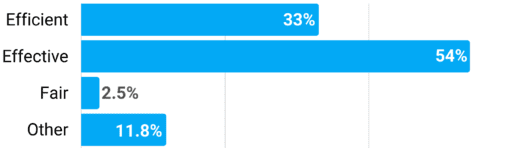
Several of our business school clients had other innovative reasons for using Kira, including as a means to award scholarships and bursaries, and to assess language proficiency.
Efficiency and effectiveness were tied as most important for Medical Schools and Health Science programs
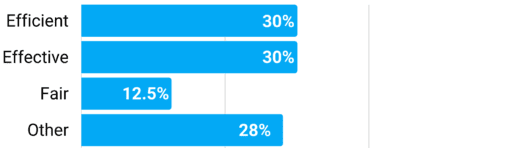
Of the “other” responses shared by our medical and health sciences programs, most centered around Kira’s cost-effective structure.
Effectiveness was most important for Public Policy/Law and Others
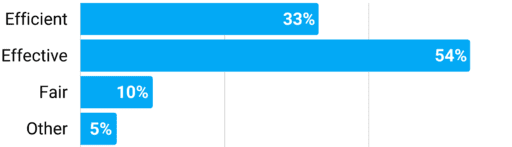
Some of the other reasons our social science schools used Kira was to assess applicants’ writing skills and explore any prior experience applicants may have in previous programs or with community involvement.

Kira Client Success Favourites
Outside of efficiency, effectiveness, and fairness, there’s one other Kira “feature” that our clients call out again and again. Our Client Success (CS) team.
The Kira Client Success Managers are with our partner schools every step of the way, guiding them with best practices and answering any and all questions that arise. If it has happened on the Kira platform, our CS team has seen it! Here are some of the best uses of Kira they saw in 2020.
 Kana
Kana
“I loved how one admissions office included current students in their welcome video, Asynchronous Assessment questions, and closing video. We heard from applicants that seeing the friendly faces of their potential peers not only helped alleviate their stress but also provided a personalized experience that helped them imagine attending the program.”
 Christian
“The Kira platform offers a ton of different features to help reduce bias in the admissions process, and my favourite moment was seeing a client use every tool available. From detailed rubric criteria to reviewer analytics, it was great to see the school being so mindful of the effects of their unconscious biases on applicant selection.”
 Keshini
“I love seeing how excited our clients get about all of our accessibility features (the Kira platform is WCAG 2.0 AA compliant). It speaks to how much they care about ensuring every applicant has a comfortable and fair experience with Kira!”
 Niamh
Niamh
“I love when clients get resourceful and find new and interesting ways to build their Kira assessments. One of my dentistry schools added images of teeth and asked the applicants to identify the issues they saw. This unique approach helped them stand out against competing programs or schools.”
 Joe
Joe
“A few groups that I've worked with have had each of their reviewers record a quick, personal introduction that played before the question that they presented. I loved how the applicants felt a sense of connection to the person who was evaluating their responses, as well as the school as a whole."
Click here to learn more about why we publish this data and how we collect and use client feedback
Reports from other years
Kira Talent Client Experience Report 2021
For any top school, the challenge of efficiently evaluating thousands of applicants is a difficult one. The traditional solution has been to use test scores and transcripts as quick evaluation metrics to shortlist applicants. But schools are realizing how this approach can leave underprivileged groups behind.
In low-income communities, underfunded high schools tend to offer few, if any, International Baccalaureate (IB), Advanced Placement (AP) or honours courses. Without access to these opportunities, students struggle to earn grades high enough to be part of the top percentile of applicants to selective programs. By using GPA cutoffs as a first filter in the admissions process, schools might be missing out on many talented students and inadvertently narrowing their cohort diversity.
Learn more in Demystifying Holistic Admissions: The Comprehensive Guide to Holistic Review
The admissions team at CSU Fullerton was determined to not let this issue impact their applicants. They wanted a holistic approach to admissions to help minimize the impact of this disparity by ensuring that an applicant’s scores and transcripts are only one piece of their application.
That’s when they turned to Kira.
Using Kira to engage with a diverse range of applicants
Offering bachelor's, master’s, and doctorate degrees in nursing, Fullerton sees thousands of talented applicants looking to fill a limited number of spots each year.
A proudly Hispanic-serving institution, the school is deeply engaged with its surrounding community in Southern California. The admissions team knew that if they took the traditional approach and based their admissions solely on transcripts and test scores, they could be missing out on some of the brightest students - from their local community and beyond.
To help make their ambitious dream a reality, the admissions team at Fullerton applied for the Health Resources and Services Administration (HRSA) grant* to redevelop its admissions process. Incorporating aspects such as community service records, letters of recommendation, and a written essay, the school became the first of the Cal State group to leverage holistic admissions practices.
The final step was to add an interview. Having successfully conducted interviews for the post-graduate programs, Fullerton had seen firsthand how impactful interviews were to the final admissions decisions.
With Kira Talent, Fullerton has enrolled its most diverse class to date.
Publishing a paper in the Journal of Professional Nursing, Jung and her colleagues shared their process of implementation in the State University system as well as the success of the holistic admissions practices in increasing diversity in their program.
"Over the past four years, the School of Nursing demographics for prelicensure nursing has been 51% Asian/Pacific Islander but only 17% Hispanic and 1% Black," the paper outlined.
"By contrast, for incoming students the breakdown is 41% Hispanic, 26% Asian/Pacific Islander and 24% Black."
Creating a lasting impression, virtually
With Kira, Fullerton was able to engage with a wider and more diverse pool of applicants.
Pre-recorded videos welcoming applicants to their assessment and walking them through the questions allowed the program to shine a spotlight on their values, giving prospective students a glimpse into what the university’s culture is like.
“Kira allowed us to bring our own personality,” shared Deanna Jung, Assistant Professor of Nursing and Coordinator of Pre-Licensure Programs. “We have a diverse faculty, so there was a diverse group of individuals reading the questions."
"Students were able to watch those videos and think 'okay, there are faculty who teach here who are like me.'”
Getting the best of both worlds
By eliminating travel and cost barriers, Kira’s online assessment enabled Fullerton to engage with a more diverse group of students. Moreover, the ability to meaningfully engage with more applicants in less time eliminated the need to evaluate applicants based solely on grades and test scores.
“Because we didn’t have to bring applicants onto campus, find available rooms while classes were running, and schedule faculty based on their teaching schedule, we were able to engage with more students in less time.”
“Our reason for getting started with Kira was in pursuit of greater diversity, academic inclusion, and getting to know our applicants better,” shared Jung. “The efficiency and ease that it brought to our process was an added benefit.”
*This project is/was supported by the Health Resources and Services Administration (HRSA) of the U.S. Department of Health and Human Services (HHS) under grant number D19HP3043 and title EMBRACE for grant amount 1,291,589.00. This information or content and conclusions are those of the author and should not be construed as the official position or policy of, nor should any endorsements be inferred by HRSA, HHS or the U.S. Government.
From scheduling nightmares and technical troubleshooting to the pure exhaustion of being on video calls all day, there are a lot of implications that come with “going virtual.”
Fortunately, over the past decade, Kira has been optimizing the online interview process for hundreds of admissions teams. So while your instinct may be “let’s just do zoom calls”, trust us, there’s a better way.
Here’s why you need Kira this upcoming admissions cycle:
Make online interviews more efficient
There are so many ways that Kira makes everything about your virtual interviewing process more efficient.
Reduce administrative and scheduling time. As your candidates are managed through Kira, you don’t need to worry about scheduling, time zones, or working into the evenings. Plus, your interview panel members can review each candidate on their own time, rather than coordinating multiple competing calendars.
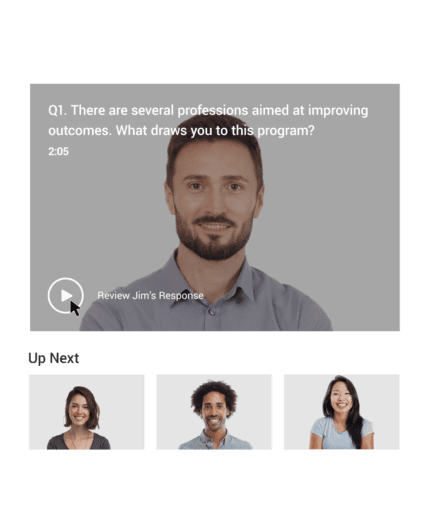
Review applicants in less time. Reviewing Kira assessments is, on average, six times faster than a live video interview. The small talk, introductions, and question-asking that you’re used to doing, again and again, is optimized as it's pre-recorded in your Kira video questions.
Applicants are given clear and specific time frames to answer each question which leaves you with concise responses.
Integrate with your ATS or CRM. Unlike other video interview platforms, you can easily link applicant responses with the other admissions software you are using.
Kira Talent is now integrated with Liaison CAS™ - Learn more
Reduce support and troubleshooting time. Stop wasting time testing headsets or waiting for applicants to download another new software, before eventually just giving up and dialing in.
Remove technical support and troubleshooting from your team
“Where do I go?”
“Can you hear me?”
“My camera isn’t working.”
“It says my connection is…”
The technical support challenges of any candidate’s experience are familiar to all of us.
Kira’s extensive applicant support is one of the reasons so many schools switch to using Kira in the first place.
Kira is the first point of contact for any and all candidate questions and issues related to the interview and assessment process. We manage all technical inquiries that students may have: From process steps, to connection woes, to camera and microphone challenges, to questions about what they should wear in their interview.
We work with your future students to make sure they are fully supported and have a great experience emblematic of your program.
Don't believe us? Read what applicants say about their experience using Kira: Kira Applicant Experience Report 2020-2021
You don’t have to waste time troubleshooting questions or issues if they arise, you just get the benefit: Seeing and hearing from your applicants. And for your applicants, the experience is better too. 91.1% of applicants rated their Kira experience either “Great” (4/5) or “Exceptional” (5/5)!
Create a fair & structured interview environment
Adding Kira to your process is a wonderful way to add more consistency and structure to your interview process, reducing bias in your admissions decisions.
First, by using Kira, you use structured interviews. Each candidate gets very similar questions in a very similar format, instead of a more casual, conversational interview.
Read: Structured Vs. Unstructured Interviews in Admissions
Although many interviewers prefer the unstructured model of “chatting with candidates,” the approach is less reliable and more difficult to reproduce across all candidates.
Unstructured interviews can work against your efforts to diversify your student body. When an interviewer “really hits it off” with a candidate, because they have so much in common, the ingroup bias leads us to selecting applicants who are similar to ourselves.
Second, with Kira, you can invite more perspectives to review applicants than ever before.
Many admissions teams, unfortunately, are not as diverse as they could be. Use Kira to engage your school community and expand your admissions committee to include faculty, alumni, or even current students.
And finally, our memories are not the most reliable. Since all applicant responses are recorded, you can “go back” and validate a students’ response in the event of a disagreement.
Move faster on engaging applicants
With uncertainty being the definition of 2020, getting your applicants started in the admissions process faster and providing a more personalized experience is critical.
Kira assessments can be sent out on a rolling basis, in batches, or as soon as your application closes, with just a few clicks.
However, coordinating interviews with every single candidate will require your team to swap availability and plan virtual interview days.
Meanwhile, your future students can be hearing back from you and responding to your Kira assessment, long before the other programs they have applied to.
Evaluate written communication skills
Written communication skills are so vital in all academic disciplines.
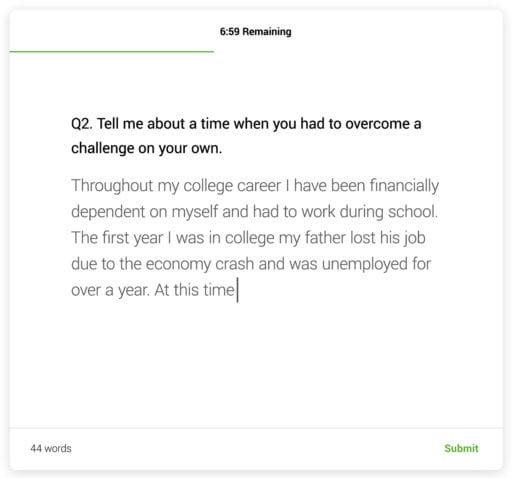
Through Kira, you can add timed written questions to encourage students to showcase their written voice in addition to their video responses.
Timed written responses provide an opportunity to have students give an authentic writing sample, show how they work through a problem, or solve a technical question. It’s one more data point for you and your team, and one more way students can show their authentic selves. Plus, Kira can validate originality with SimCheck by Turnitin.
Make the process accessible for all students
Virtual interviews are a wonderful option for many, but not all applicants. Your typical Zoom or Teams video interview can present a number of barriers to students with disabilities.
Figuring out the logistics of participating in a virtual interview could be so challenging and stressful that students may opt-out all together or not be able to present their best self to the interviewers.
Read: The importance of accessibility and inclusion in your admissions process
Kira’s platform is certified WCAG 2.0 AA compliant, enabling students who use any method of assistive technology to complete their assessments without requiring any additional accommodations.
Protect your team (and your admissions decisions) from burnout and fatigue
Being on video calls all day is exhausting. “Zoom fatigue” has science to back it up.
Virtual meetings increase our cognitive load and our anxiety. We get fewer non-verbal cues so we have to work harder to process.
Plus, we tend to take less breaks or engage in less “social time” during virtual days.
Couple that with the amount of energy and exhaustion you already experience when you would interview all day in person.
Read: How Fatigue Affects Your Admissions Decisions
Exhaustion can hurt your decision-making abilities and may subconsciously lead your brain to rely on ‘biases’ when advocating for or against a candidate.
Putting the admissions decisions aside, exhaustion hurts your team.
Burnout is a serious problem in our remote working world. Even if your team is partially back in the office, the pandemic is taking its toll on all of us as humans. Especially for members of your team with family responsibilities at home.
By enabling admissions teams to review on-demand and take breaks when they need them, they can focus on giving each applicant the time and attention they deserve.
Plus, since responses are collected on-demand, you can scale your team virtually to add more sets of eyes and ears to your team.
Read: Six Ways to Scale Admissions Reviewing With Kira
Still want a live interview?
We've got that too!
From one-on-one to panel interviews and Multiple Mini Interviews (MMIs), Live Interviewing in Kira Talent unifies your tools and processes into a single online platform. Built for the way you interview, Live Interviewing is the most efficient way to engage with your applicants in real-time.
Learn more about Live Interviewing in Kira Talent
The Doctorate of Physical Therapy (DPT) program at Baylor University is the first of its kind. A unique hybrid program, Baylor’s DPT offers students the opportunity to get their doctorate in two years instead of the traditional three.
The hybrid form allows for students and faculty to live anywhere in the world while participating in the program. Students complete rotations consisting of 8 weeks of online courses followed by a trip to Baylor’s campus in Waco, Texas for hands-on labs. This innovative program structure has become the model for programs across the country that are looking to add the flexibility offered by digital courses.
But while innovation is an essential part of the Baylor DPT program, their admissions process wasn’t living up to that standard.
Several years ago, Baylor introduced pre-recorded video interviewing into their admissions process. These videos were meant to give the admissions team an authentic snapshot of their applicants in a remote-friendly way. But little room for customization and a clunky experience only made for more work.
That’s when Baylor turned to Kira.
Innovative program seeks equally progressive admissions process
By streamlining their process with Kira’s all-in-one platform, Baylor has been able to enhance its interview process from start to finish.
“The last thing I wanted to do was build something from scratch,” shared Baylor’s Director of Admissions Casey Unverzagt. “Kira gave us templates and recommendations for building the assessments, but we weren’t stuck with those, we could modify them and add to them. It was a great balance between ‘let me give you some ideas’ and ‘it’s your assessment, you can build it how you want’.”
Leveraging Kira’s timed-video and timed-written responses helped the admissions team at Baylor elicit candid responses from applicants, giving them a more authentic view of the verbal and written communication skills of each applicant. Drawing from a randomized question bucket, Baylor was able to ensure that the responses were truly unscripted.
“In our old platform, we had one question for each competency,” explained Unverzagt.
“There was always that fear that a question would find its way online. By randomizing the questions, Kira makes sure that everything stays fair.”
Redefining fairness in admissions
With fairness top of mind, Baylor needed a tool that would help them find new ways of eliminating bias.
"We all have biases, we recognize this," said Unverzagt. "Kira has helped us minimize the impact of those biases".
Baylor decided to review horizontally in Kira, assigning each reviewer to evaluate specific competencies across all applicants. This method of reviewing has not only been proven to minimize the effects of the Halo Bias, it also helps reviewers develop expertise in their assigned competencies, making the evaluation of applicants more accurate and consistent.
Is my admissions process biased?
Take our quick assessment to diagnose the potential areas in which bias can occur in your admissions process. Your assessment will remain completely anonymous.
And the admissions team didn’t stop there. By creating a “blind evaluation procedure”, Baylor has further reduced the potential for bias in their process.
“Once an applicant is invited to complete a Kira assessment our admissions committee doesn’t look at their academic profile until after they’ve reviewed the applicant’s responses,” explained Unverzagt.
“It makes it much less biased. Otherwise, if you see someone who comes in who’s barely over the hurdle academically, it might affect the way they review that applicant.”
“After we review their Kira assessment, then the admissions committee goes back and looks at how they did academically. We then marry those two scores – cognitive and academic – to make one final recommendation.”
Getting the best out of applicants - in less time
And it’s not only Baylor’s reviewers who are enjoying the new approach. Applicants now have new tools to help them shine.
Unlimited practice questions enable applicants to familiarize themselves with the software and get into the zone before their actual interview. And having that level of comfort and confidence has empowered them to truly put their best foot forward.
“With Kira, we’re getting a better representation of who this applicant actually is,” said Unverzagt. “With our old process, we never had practice questions. It would take the applicant two questions to really get into a groove, and that’s half of our assessment!”
“With Kira’s platform, when we see them, they’re prepped and ready to go. So I feel like we get a much more accurate picture of that applicant.”
Embracing technology to improve admissions
With Kira Talent, Baylor now has a holistic admissions process to match its innovative program. Accessible, efficient, and fair, the platform’s suite of features empowers Baylor’s admissions team to make more informed decisions and allows its applicants to shine.
“Before we had a phenomenal program and an average admissions process,” shared Unverzagt. “Now, we have a phenomenal program and a phenomenal admissions process."
"Kira not only builds an expectation for the program, but it gives us functionality that makes our jobs 10x easier.”
Whether it was from home offices, bedroom workstations, or kitchen counters, this year a record-breaking number of applicants submitted a Kira Assessment. Showcasing their passion, intelligence, and talent through timed video and written responses, 2020’s applicant pool proved that, when given the right tools, applicants can shine just as brightly online as in-person.
In this year's report, you’ll see the results of our 2020 commitment to the overall improvement of our applicant experience, and discover why more and more schools are choosing Kira to help make their admissions process more fair, efficient, and effective.
What's new for applicants this year?
It’s been a year of transitions. From in-class to at-home, paper to digital, and in-person to online, applicants are juggling a ton of new tools. That’s why we made it our mission to ensure that Kira’s applicant experience feels less like an obstacle course and more like a red carpet. We rebuilt the in-platform experience from the ground up, upgrading our entire system, streamlining processes, and giving the design a facelift.
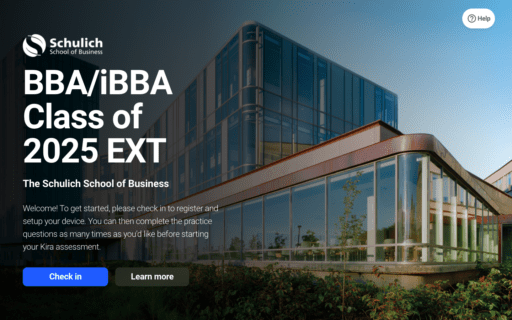
And these upgrades weren’t just skin deep. In 2020, we committed to building a platform that would level the playing field by enabling every single applicant to put their best foot forward.
Now certified compliant by WCAG 2.0 AA accessibility standards, Kira’s in-platform experience empowers all applicants, including those with disabilities, to complete a Kira assessment without requiring any additional accommodations.
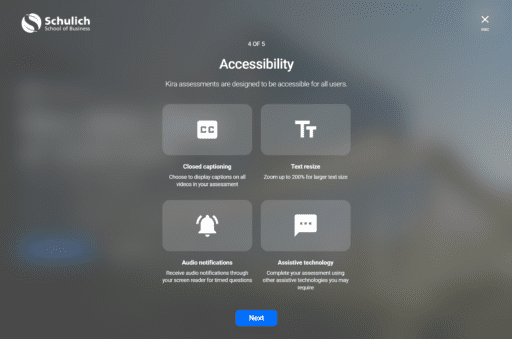
By July 2020, all upgrades were live, and Kira went on to record its highest applicant ratings in company history.
By the numbers
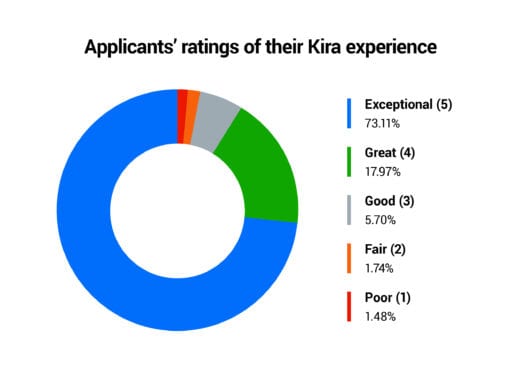
91.1% of applicants rated their Kira experience either “Great” (4/5) or “Exceptional” (5/5)
Amazing news! This almost 10% increase in ratings from 2019's report confidently demonstrates the impact of the user-centric focus of our platform redesign.
73.1% of applicants rated their Kira experience “Exceptional” (5/5)
Another substantial jump from last year’s report - over 20% more applicants felt their experience completing a Kira assessment was exceptional!
The average rating was “Exceptional” (4.6/5)
This 6% increase from last year’s score of 4.3/5 has bumped us up from “Great” to “Exceptional”. In other words, if we were one of your applicants, you'd be sending us an early admission's offer.
1.5% of applicants rated their experience as “Poor” (1/5)
This year, we heard some important feedback around increasing preparation and response times and meeting reviewers in real-time. We heard you and we’re working on it!
All feedback around custom Kira features, such as assessment questions and the amount of prep and response times allotted, are anonymized and sent to the respective admissions teams to help them optimize their assessments.
As for meeting reviewers in real-time, Kira now has you covered. Learn more about Live Interviewing in Kira.
97.2% of inquiries were solved in-platform by Charlie
From set up advice to technical fixes, Charlie the chatbot was able to instantly and successfully answer almost all of our applicants’ questions, sending only 2.8% of tickets directly to our support team for further assistance.
Over 90% of applicants who left feedback on support rated their experience as "Great", given the options of "Great", "Okay", and "Not Good".
A 1% increase from last year’s report, this is a small but mighty step in our commitment to continually improving applicants’ experiences with Kira Talent.
By the comments
We know that numbers don't tell the whole story. Here's what applicants had to say in their own words...
Applicants felt fully engaged
Connecting applicants to institutions is a pillar of our platform. We're proud that we can provide an effective way for schools to create a great first impression and an effortless way for applicants to demonstrate their talent.
 “This was a wonderful experience and made me even more excited about the possibility of attending [the school]!”
 “I liked how the questions were tailored to [the school’s] values and how the videos featured current medical students!”
“Loved how much I was able to tell [the school] about myself because I feel that it's the first step to bringing in a close-knit community on campus.”
“I really appreciated that the questions were typed out as well as said in the videos (really helps those with hearing disabilities).”
 “It's great to see the diversity in faculty asking questions!“
“I have used two other online interview platforms beside Kira Talent. This one is the smoothest I have used. I enjoyed the format very much.”
Applicants appreciated the opportunity to be heard and seen
“It is really great to know that [the school] values more than just our academic achievements.”
“I felt like I was able to showcase myself in a way that might not be displayed in my other admissions materials. Big fan of this process, I would highly recommend it to others.”
“I like that it creates a more personal image of me instead of just a student who happens to do well in exams.”
We couldn’t fully prevent interview jitters
“It’s a great platform. I just don't like interviews!”
“The system itself is great, just very stressful. The time limit and needing to see your own reflection is quite scary.”
“The time crunch is stress inducing.”
But many felt Kira helped reduce their stress
“I felt very prepared to answer the questions because I was able to practice as many times as I wanted. My nerves were basically gone by the time I got to the assessment.“
“It's much less stressful to respond to a recording than to a live individual. You feel a sense of privacy and that can help you gather your thoughts. I felt comfortable during the interview.”
“It was so nice to have the practice round to get used to the process and system layout. It made my interview less nerve racking for sure, and it made me more able to be my authentic self.”
“I loved how this software gives you endless amounts of practice attempts! Helps get rid of the nervous jitters.”
While there will always be an element of stress in any kind of assessment or interview, we try to reduce that as much as possible. It’s great to hear that the new platform experience helped. We promise to keep looking into other ways to help applicants put their best foot forward.
Some applicants missed the opportunity to connect in real-time
“The platform is very easy to use. Only reason I didn't give five stars is because I prefer to see a person's expression when I am responding to their question.”
“I personally prefer face to face interviews (even if it is virtual).”
 “I liked how there was faculty videos in the start and end of the interview. However, I think it would be more beneficial to have a live listener with you during the interview.”
We heard applicants loud and clear! Now there's a solution that will help your team meet applicants in real-time online, while streamlining your admissions process. Live Interviewing in Kira Talent allows your team to interview and evaluate applicants in a single online platform.
Built for the way you interview
Bring your MMIs and one-to-one interviews online with Live Interviewing.
Reports from other years
2022 Kira Applicant Experience Report
2021 Kira Applicant Experience Report
2019 Kira Applicant Experience Report
2018 Kira Applicant Experience Report
2017 Kira Applicant Experience Report
So long 2020! We’re throwing open the drapes, brewing a hot pot of coffee, and getting down to business.
With a ton of enhancements to the Kira platform, you and your admissions team are getting ready for a better and brighter year. From flexible payment plans to enhanced branding opportunities, there’s never been a better time to optimize the efficiency and effectiveness of your admissions process with Kira.
Discover what's new in Kira
- Take your Applicant Experience to the next level
- Get synced up with Kira + Liaison CAS
- Benefit from flexible contracts with Applicant Pay
- Customize your rubrics and rating scales
- Fight fraud with SimCheck, powered by Turnitin
- Leverage the power of AI with Advanced Insights
- Add versatility to your process with Flexible Review
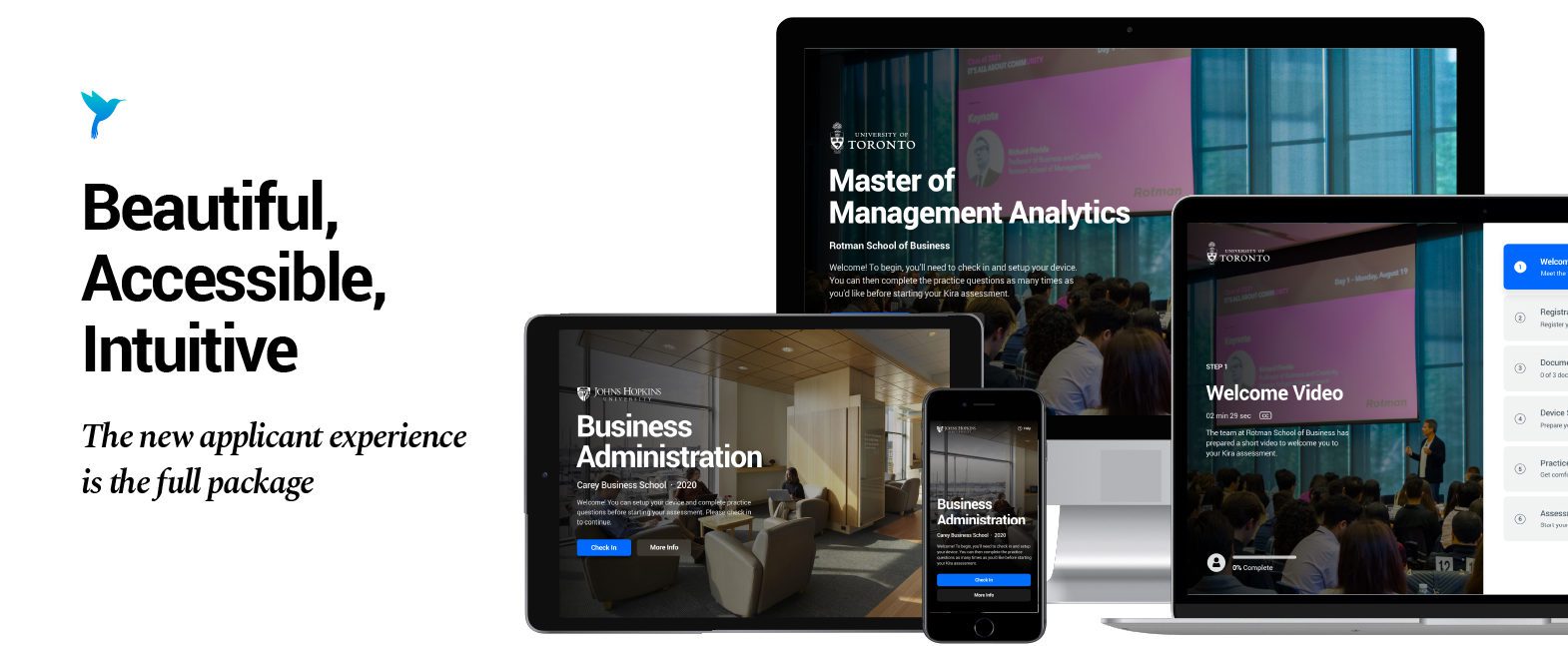
Applicant Experience 2.0
Your applicants’ experience with Kira has been rebuilt from the ground up. With streamlined processes, top tier accessibility, and a fresh facelift, Kira helps you elevate your brand in the minds of applicants.
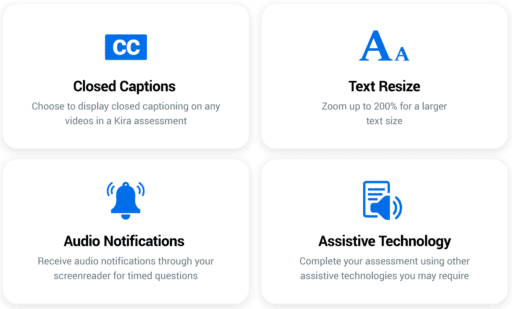 And these upgrades aren’t just skin deep. Kira’s applicant experience is now certified compliant by WCAG 2.0 AA accessibility standards. Applicants with disabilities can now go through the entire experience and complete a Kira assessment without accommodations.
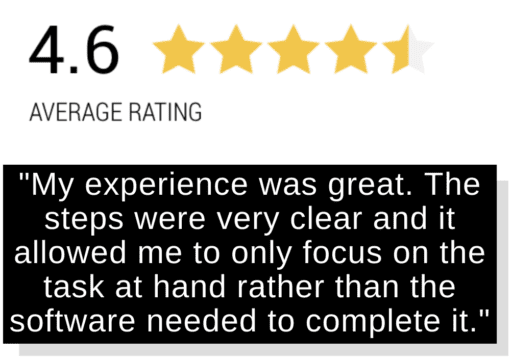
Enhanced and optimized, the new applicant experience allows your applicants to focus on nailing their assessments, not worrying about technical issues. Since its release, only 4.2% of applicants submitted a support ticket compared to 6.8% in 2019. For more stats, check out Kira's 2020 Applicant Experience Report here.
Liaison CAS integration
Integrate timed video and timed written responses from Kira into Liaison’s best-in-class Centralized Application Service (CAS™) with just a few clicks.
By enabling the integration between your CAS and Kira, you can see how applicants think on their feet through unscripted video and written responses to your customized questions.
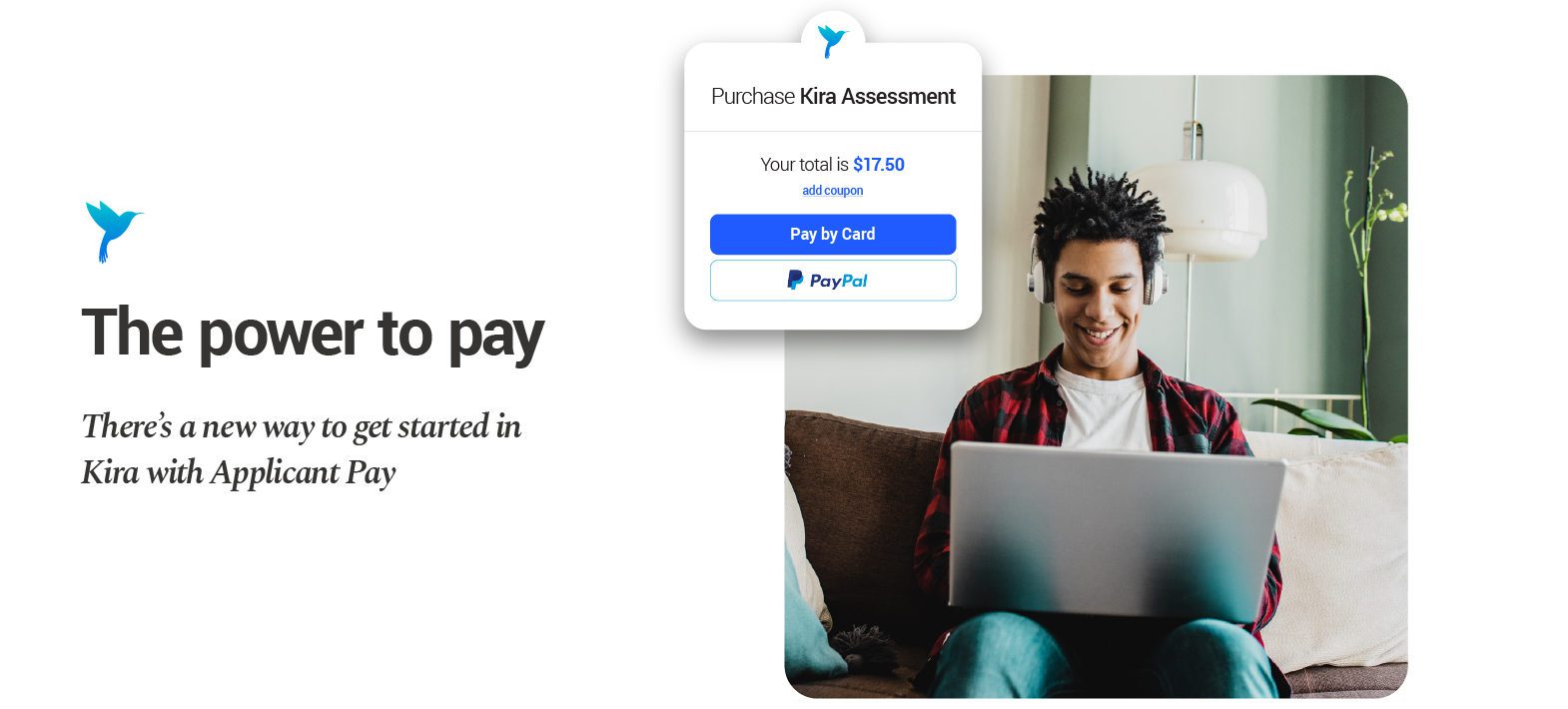
Applicant Pay
Are you ready to do more with the budget you have?
Build your Kira contract to make the most sense for your team’s budget. Applicant Pay in Kira provides you with the flexibility to choose who pays and how much. By collecting a nominal fee from applicants, you can reduce or eliminate the cost of Kira, enable premium features like Advanced Insights, or cover the cost of other parts of your admissions process. Payments are collected in the Kira platform, and your team chooses how applicant payments are used.
Want to provide financial relief to applicants who meet certain criteria? You have the ability to create coupon codes in Applicant Pay to distribute at your discretion.
Click here to learn how to get the most out of your budget with Kira!
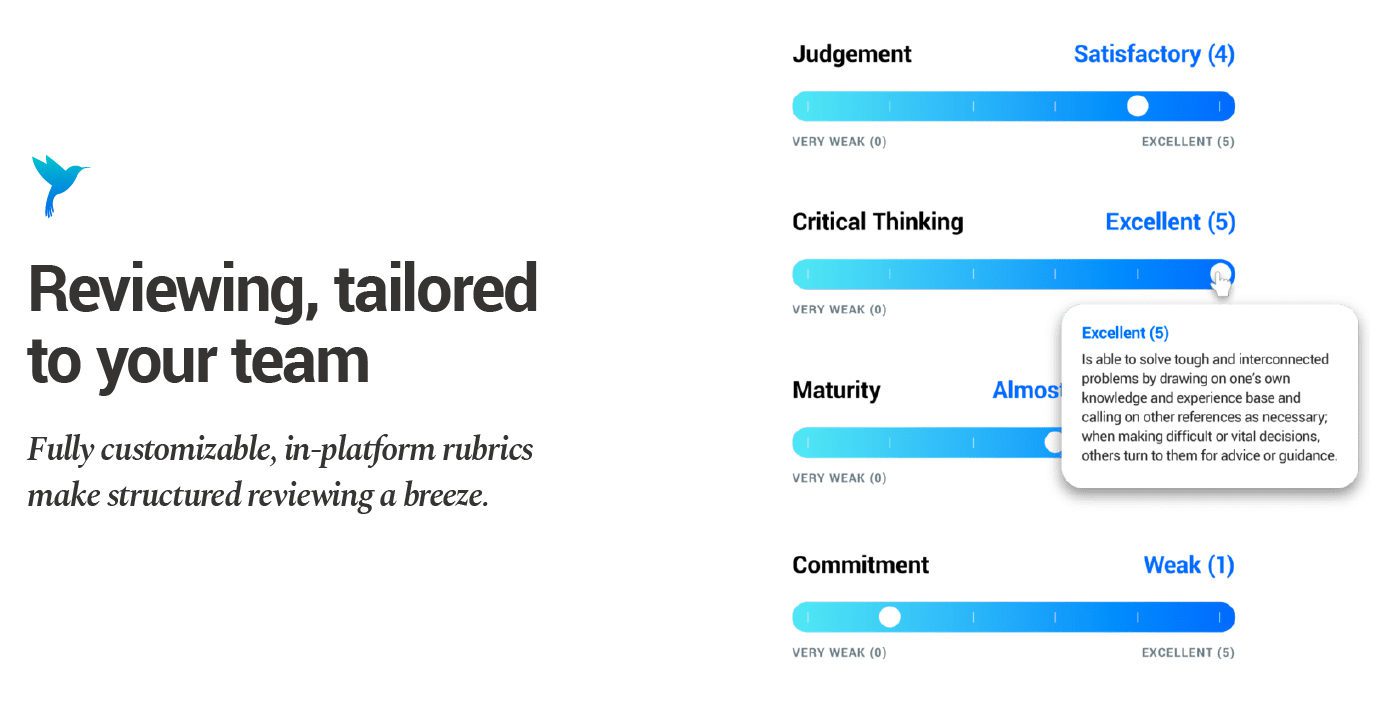
Custom rubrics and rating scales
The ‘one-size-fits-all’ approach rarely yields the best results. That’s why we’ve added new rubric customizations into the Kira platform to help you build the most effective criteria for your assessments.
You can now design your own rubric scales, create custom rubric titles, and add an unlimited number of characters in the rubric descriptions.
SimCheck
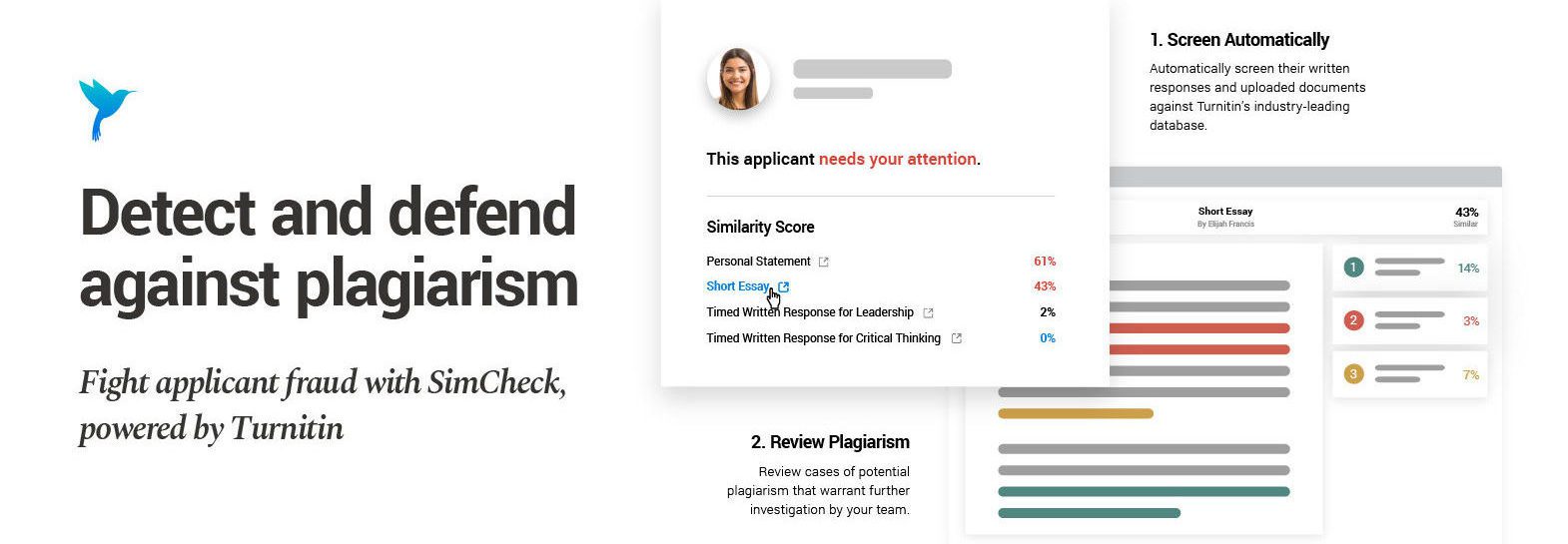
Enjoy the peace of mind that comes with knowing your applicants have submitted their own words, not someone else's.
Simply invite applicants to complete a Kira assessment, our software will screen their written responses and uploaded documents against Turnitin’s industry-leading database. You’ll be notified of any potential plagiarism that may warrant further investigation by your team.
For a limited time, we're including SimCheck by Turnitin for free with any Kira Talent license. Click here to learn more.
Already using Kira Talent? Check out how to start using SimCheck
Advanced Insights
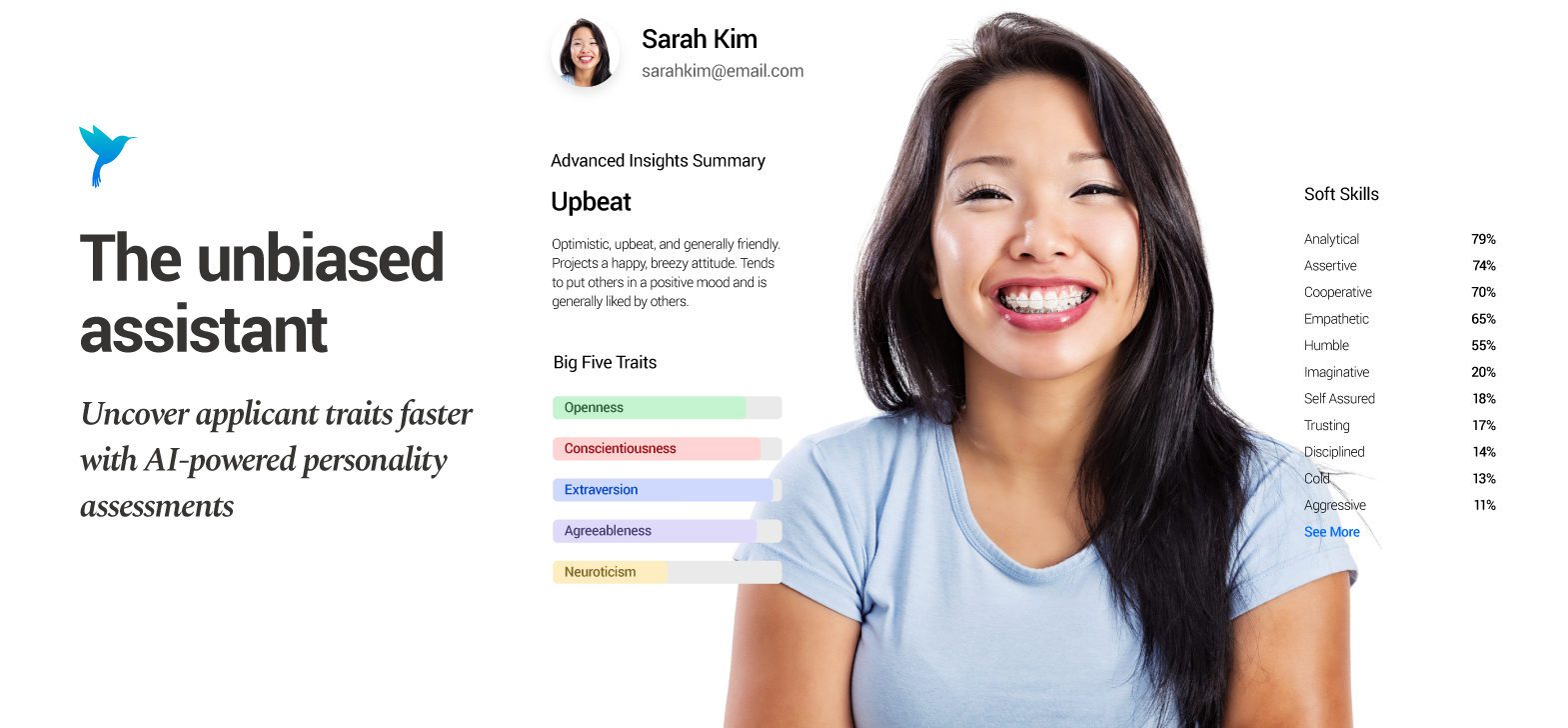
Advanced Insights is an add-on feature that helps you develop a deeper understanding of the personality traits and soft skills your most successful students possess.
With as little as 5 minutes of video data from a Kira assessment, Advanced Insights provides additional insights into applicants to assist your team in making well-informed decisions.
Learn more about how AI is powering higher education
Flexible Review
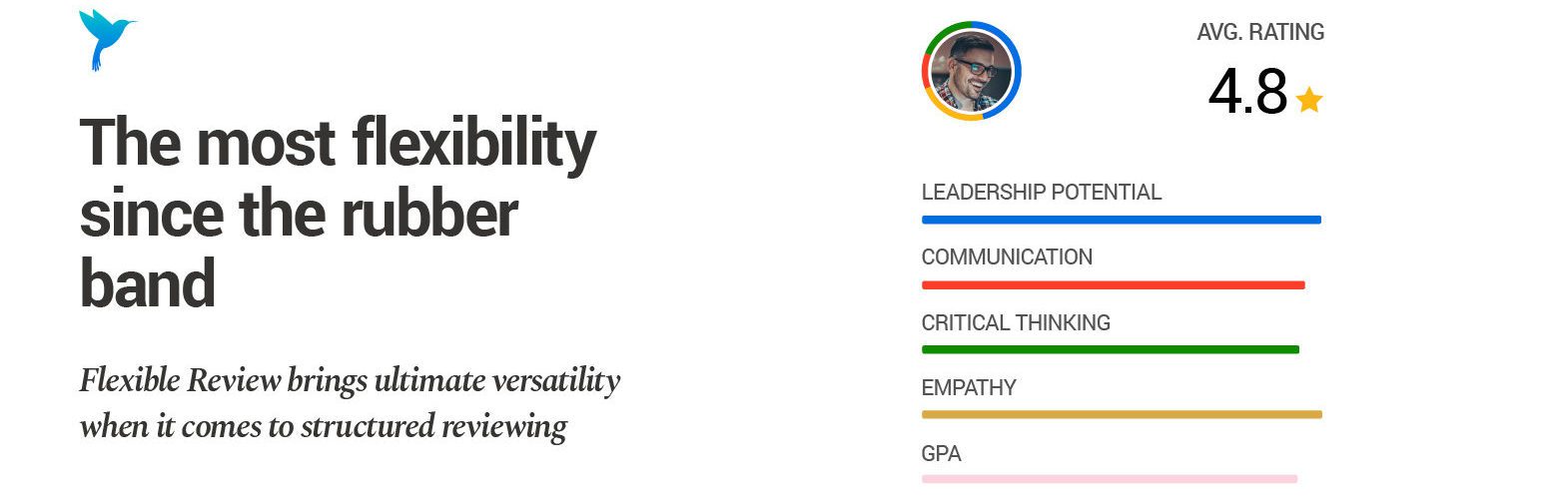
Structured reviewing in Kira is anything but rigid. Now, you have the flexibility to assign reviewers to specific applicants (vertical review), or to specific questions or competencies (horizontal review), or a combination of both.
Vertical Review
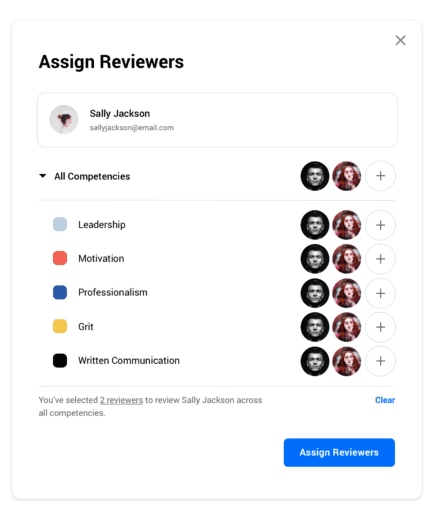
Vertical review allows you to assign a reviewer to specific applicants. By evaluating the applicant’s entire Kira assessment, reviewers are able to form a comprehensive picture of an applicant’s personality, talents, and interview skills.
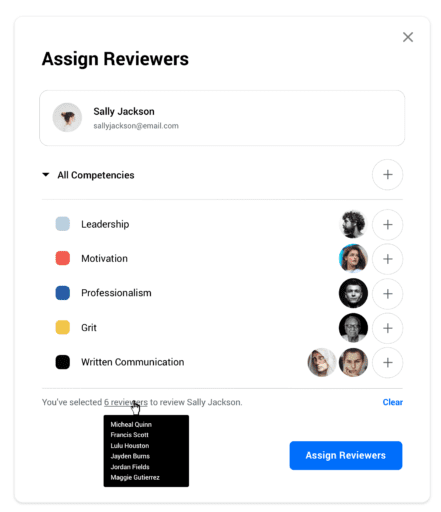
Horizontal Review
Horizontal review allows you to assign reviewers to a specific competency which they assess for across a wide pool of applicants. In doing so, horizontal review helps improve accuracy and reliability of scoring as each applicant is evaluated by more reviewers who are better versed in assessing that specific competency.
Discover how Kira's Flexible Review can help bring versatility to your admissions process
When assessing an applicant, academic ability is only one piece of the puzzle. To see the whole picture, leaders in the admissions space are leveraging new and innovative methods of evaluating soft skills and emotional aptitude.
Having recognized the limitations of standardized testing, admissions teams are implementing more intricate criteria by which they identify best-fit students. The idea is not to get rid of the way in which they evaluate applicants, but to round it out. With technology creating more ways of comprehensively assessing the social and emotional intelligence of prospective students, schools are finding holistic approaches that work for them. For several universities, that includes personality assessments.
Artificial Intelligence (AI) and machine learning are the buzzwords of the 21st century. From music and movies, to healthcare and banking, this cross-industry evolution has become a silent helper, making our lives easier without us even realizing. But while AI is dominating progress in other industries, we're only just starting to hear about AI in higher education.
Back in 2018, we published a three-part series delving into what was then “emerging technology”, giving you a rundown on the basics of machine learning, its potential to transform higher education, and how schools can begin integrating it into their own processes. Then, AI in higher education was an interesting idea. Today, it’s being put into practice.
Driven by the pandemic and a growing demand for digital solutions, AI has become a key tool for institutions looking to keep current and prospective students engaged with their academics and campus community. In admissions, evaluation of personality and soft skills are helping teams identify and establish early interest with top candidates. In classrooms as well as admissions teams, chat bots are supporting students and applicants by acting as an ever-present guidance counselor or TA. And in academic success departments, data analysis is helping to identify students’ pathways to success, while simultaneously raising flags for at-risk students to receive targeted help and support in both social and academic contexts.
We’ve done a deep dive to bring you the best and brightest from AI in higher education. Discover how you can start transforming your student data into intelligent actions at every step of the student lifecycle.
5 ways you can leverage AI in higher education
- Flag applicants early in the admissions process
- Create a contact point for incoming students
- Enable 24/7 chat bot support in online (and in-person) classrooms
- Flag at-risk students who may need support
- Identify pathways for student success
1. Early applicant flagging in the admissions process
If your goal is to reduce workload on administrative teams, one of your focuses should be enrollment and admissions. Each year, admissions teams sift through hundreds if not thousands of applicants to find the best fits for their programs. And while we know that the best recruiting tool is to show early interest in an applicant, it can be difficult for small teams to balance a thorough reviewing process with a quick turn-around time. Implementing an AI screening tool can help.
Today, AI is being used to pre-screen incoming applicants and flag high-potential candidates for early review. By training the software to identify a program's defined success markers (be it grades, volunteer experience, etc.), the tool helps you find and fast-track top applicants.
If you’re using video assessments in your admissions process (high five!), then AI can also help you pre-screen for soft skills. AI software can evaluate applicant videos for speech, text, verbal, and non-verbal cues. By comparing its findings to its database of catalogued video content and cross-referencing the Big Five personality traits model, the tool generates a personality assessment for each applicant. Your team can then identify the applicants with the character traits and soft skills required to succeed in your program, and they can start reviewing those applications right away.
Discover how assessing personality traits can predict success in medical students
While it’s important to always have a human hand guiding admissions decisions, AI has come a long way in supporting that process. By expediting preliminary tasks, AI allows for teams to spend more time giving each applicant due focus.
2. Creating a contact point for incoming students
The “summer melt” is a big problem for schools, as students, especially first generation students, start to feel overwhelmed by the impending financial and mental commitment of college.
One of the best ways for schools to avoid summer melt is to maintain their connection with students. Whether it’s getting them excited about campus, sending them information on semester prep, or helping them sort out the financial side of things, frequent contact has been shown to reduce the melt. Access to a knowledgeable person who can give them guidance and encouragement during this overwhelming time can make a huge difference. Unfortunately, most schools aren’t able to provide that kind of 24/7 support to every student. However, AI has provided an answer.
AI in higher education in real life
The University of Murcia in Spain recently brought on an AI chatbot to help the admissions and enrollment team keep connected with incoming students. The chatbot took question and answer scenarios from the school’s email records and online forums, and used them to provide incoming students with information about the campus, programs, financial aid structures, and more. If the bot couldn’t find an answer, it would generate an email connecting the student to someone in the admissions department.

Chatbot concept for online classroom assistance
By the end of the first testing phase, the school was able to answer the students’ questions correctly 91% of the time. This totalled over 38,000 questions which the admissions team would have normally dealt with.
The school found that access to the chatbot increased motivation and reduced summer melt, as students were able to get an immediate response to any question without feeling the pressure or potential embarrassment of sending an email.
And the bonus? The school was able to pull the chatbot’s records and use the data to determine what areas of focus were important for their incoming students. Were they more concerned about their courses? Or about campus living? Did they have questions about financial aid? Or grading schemes? This not only helped the school identify areas where there seemed to be a lot of confusion, but it also helped them re-evaluate what they should highlight in their brochures for the next class.
3. Chat bot support in online (and in-person) classrooms
Information fatigue is a real problem for higher ed students. Whether it’s course material, administrative info, or extracurricular announcements, it’s easy for things to fall through the cracks.
This leads to an ever-relatable story of professors becoming frustrated by a multitude of student questions on something that was clearly outlined in the syllabus. But Professor David Kellerman at the University of New South Wales (UNSW) may have found the ultimate solution using AI.
Prof. Kellerman worked with Microsoft to build a chatbot which could recognize and answer students’ questions by pulling from a wide database of previously asked questions, as well as lecture materials, textbooks, digitally published guides and the school’s own question forums. If the bot didn’t understand the question or couldn’t find the appropriate answer, it was able to forward the student's request to a relevant TA.
This 24/7 AI support not only freed professors and assistants from answering repetitive questions, it also drove a sharp increase in student course satisfaction with the class garnering a 99% approval rating.
UNSW and Microsoft have open-sourced this software. You can check it out here.
4. Flagging at-risk students who may need support
Students today are juggling more than ever before. Between a full course load, extracurriculars, social engagements, and often multiple minimum-wage jobs, it’s no wonder that many burn out before completing their degree.
With the overall six-year graduation rate sitting at around 60% for students studying in the US, it’s clear that schools need to invest in systems to better assist their at-risk students. AI can be that support.
Predictive analytics generated by AI can act as early warning systems for students who are at risk of failing classes, missing payments, or are struggling with mental health issues. By analyzing various data points, including academic standing, peer and professor feedback, and on-campus activity, AI can generate an overview of a student’s behaviour. Instead of simply relying on grades to determine well-being, this creates the opportunity to develop a more holistic understanding of the student’s overall “wellness”.
In addition to being more timely, the AI software can flag students when they hit certain triggers or fall into identified risk patterns, providing up-to-the-minute assessments instead of the traditional mid- and post-semester review.
5. Identifying pathways for student success
Doubt surrounding the selection of majors and academic goals accounts for one of the top 5 reasons why students drop out of college or university.
For undergraduate students in particular, post-secondary can represent a maze of different programs, focuses, and course options. For many, generating a schedule can, in itself, be an overwhelming task. Here, guidance counsellors and academic advisors play a key role in helping current and prospective students understand requirements and map out an educational plan that is best suited to their needs. However, as these teams are often strapped for time, they are unable to reach every student.
By employing AI tools to aid academic success, schools can address this issue. AI can analyze data from thousands of students to find commonalities in course structure, timing, focus, and previous student success. Using this information, the AI-enabled tool can send recommendations to students based on their success in prior classes, as well as the success of previous students with similar profiles. For example, students with poor attendance records for an 8:00 AM class may be guided towards an afternoon or evening timetable. Similarly, a student who struggled through their first year English course may be steered away from courses with an essay-heavy grading scheme.
From application to graduation, there is a growing demand for AI in higher education. As a way to optimize both time and budget, AI support is a key difference maker in enabling schools of all sizes to engage a wider range of students.